

Understanding What Gambling Sites Are Not: A Comprehensive Guide
In the burgeoning online gambling landscape, recognizing what gambling sites are not is just as crucial as understanding what they are. While the industry has seen significant growth, it’s equally important for players to be aware of the common misconceptions and false representations surrounding gambling platforms. One notable aspect is the existence of what gambling sites are not on GamStop non GamStop casinos, which can be both misrepresented and misunderstood. In this article, we will delve into the nuances of gambling sites and provide clarity on what to watch out for.

1. Gambling Sites vs. Legitimate Casinos
To begin, it’s important to differentiate between gambling sites and legitimate online casinos. Not all websites that offer gambling services operate within legal frameworks. A legitimate casino adheres to regulatory standards, ensuring fair play, responsible gambling, and player protection. In contrast, rogue sites that lack proper licensing and oversight may engage in misleading practices, such as rigged games and unfair payout ratios. Thus, players should always verify a site’s licensing status and read reviews to ensure they are playing at a reputable establishment.
2. The Myth of Instant Wealth
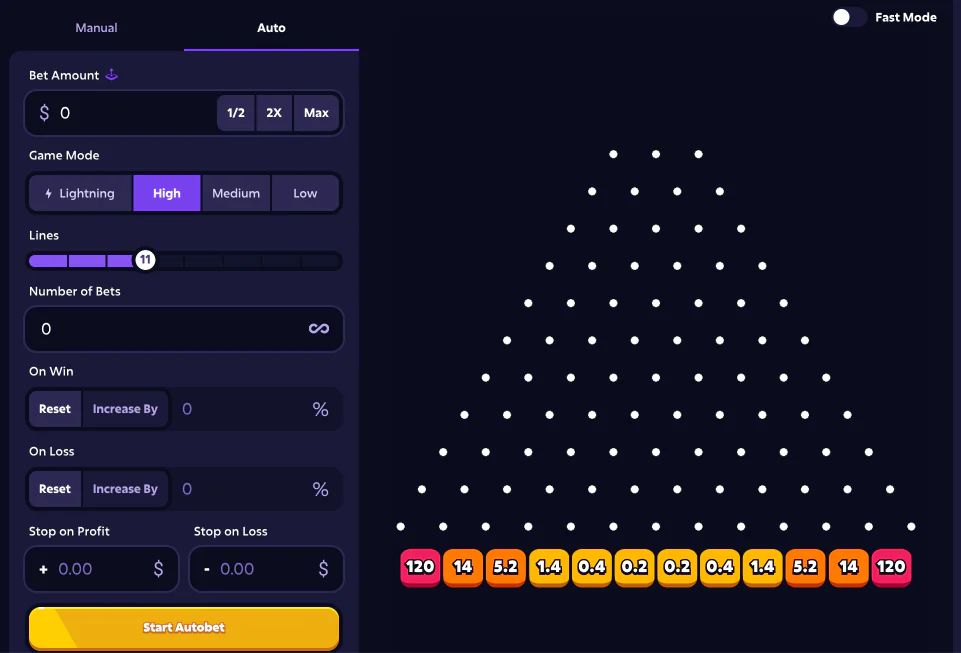
Many gambling sites promote the idea of instant wealth. These claims often serve as bait to lure unsuspecting players into depositing their money in hopes of quick returns. In reality, gambling is best viewed as a form of entertainment rather than a reliable source of income. Reputable sites will provide clear information about their odds of winning and will not make extravagant promises of riches. Understanding that gambling should be approached with caution is fundamental in navigating online platforms.
3. Understanding Bonuses and Promotions
Another area rife with misconceptions is bonuses and promotions offered by gambling sites. While many players may see attractive promotions as a major draw, it’s essential to read the fine print. Not every enticing bonus is as beneficial as it seems; often, they come with extensive wagering requirements, withdrawal limits, or time constraints. Players should fully understand the terms of any promotions before participating to avoid dissatisfaction.
4. The Role of Responsible Gaming
Responsible gaming is a vital topic that is often overlooked when discussing what gambling sites are not. Reputable sites actively promote responsible gaming practices by providing tools for players to set limits on their deposits, playtime, and losses. However, unregulated sites typically lack these essentials, potentially leading players to develop problematic gambling habits. Sites that truly prioritize player welfare will offer resources for those who may need help, making responsible gaming non-negotiable in the industry.
5. The Difference Between Online and Offline Gambling
Online gambling is often seen as a seamless experience compared to traditional brick-and-mortar casinos. However, not all online gambling sites are created equal. Players should reflect on the differences in policies, payment methods, and available games. While physical casinos often have stringent age and identity verification processes, online platforms may vary in their scrutiny and verification procedures. Knowing what to expect from both types of gambling establishments can inform more responsible gaming practices.
6. The Perception of Game Fairness
Many players may assume that all gambling sites offer fair games. However, this is not always true. Reputable casinos utilize Random Number Generators (RNGs) that ensure outcomes are genuinely random. Conversely, some unscrupulous sites may manipulate their games to maintain an unfair advantage. Players must be aware of the technology used by their chosen casinos, including the fairness of their gaming algorithms. Certified platforms are more likely to undergo regular audits, which can provide an additional layer of reassurance.
7. Trust and Player Security
When assessing online gambling sites, trust and security should be at the forefront of any player’s concerns. Legitimate gambling platforms employ secure encryption technology to protect players’ personal and financial information. In contrast, unregulated sites may compromise this data, resulting in identity theft or financial loss. Players should prioritize sites that offer robust security measures and clear privacy policies, ensuring their information remains confidential and protected.
8. Conclusion: Making Informed Choices
In conclusion, understanding what gambling sites are not is just as important as recognizing what they are. Being aware of the differences between legitimate casinos and unregulated sites, recognizing the importance of responsible gaming, and being cautious of misleading promotions are essential for ensuring a safe and enjoyable gambling experience. Players must conduct thorough research and remain vigilant while navigating the online gambling landscape, arming themselves with the knowledge necessary to make informed choices.