

Understanding Plinko Connection Stability Needs
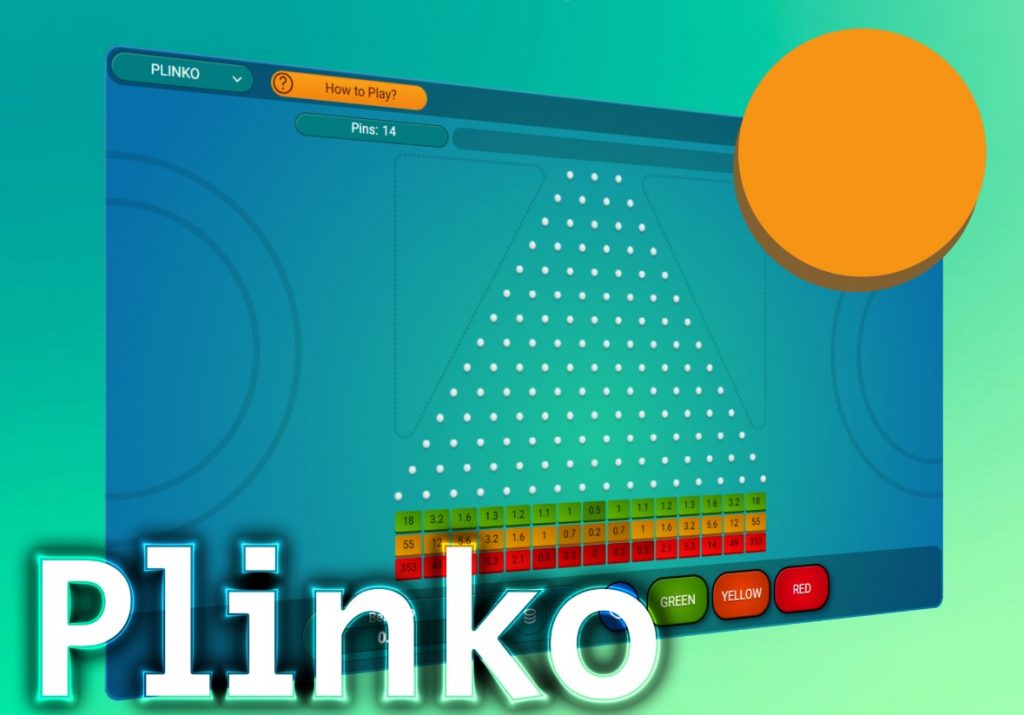
In the ever-evolving landscape of online gaming, Plinko Connection Stability Needs Plinko NZ has emerged as a popular game that combines chance with strategy. Players are captivated by the thrill of dropping their chips and watching them bounce down the board, but what many may not realize is that the connection stability of the game plays a significant role in enriching the overall gaming experience. This article will delve into the importance of connection stability in Plinko games, the various factors that contribute to it, and how game developers can ensure a seamless experience for players.
The Importance of Connection Stability
Connection stability refers to the consistency and reliability of the network connection that supports online gaming. In a game like Plinko, where the outcome is determined in real-time as the chip interacts with the board, any lag or disconnection can drastically alter the experience. Players expect immediate feedback in response to their actions, and any delay can lead to frustration or even mistrust in the game’s fairness.
Factors Affecting Connection Stability
There are several factors that can impact the connection stability during a Plinko game. Understanding these factors can help both players and developers ensure a higher quality gaming experience.
1. Server Performance
The performance of the server hosting the game is paramount. High traffic can lead to delayed responses, especially if the server is not equipped to handle a large number of concurrent players. Game developers must invest in robust server infrastructure that can scale according to the number of active users.
2. Internet Connection Quality
A player’s individual internet connection also significantly affects stability. Players with unstable or slow connections may experience lag, resulting in a frustrating gaming experience. Developers often encourage players to use wired connections instead of Wi-Fi to mitigate the risks associated with unstable connections.
3. Network Latency
Network latency, or the delay before data begins to transfer, is another critical factor. High latency can cause the game to respond sluggishly, thereby detracting from the real-time excitement that makes Plinko engaging. Developers need to implement optimized network protocols to reduce latency and improve gameplay responsiveness.
Enhancing Player Experience Through Connection Stability
For both players and developers, connection stability is essential for a satisfying gaming experience. Below are some strategies that can be employed to enhance this stability:
1. Regular Testing and Maintenance
To maintain an optimal gaming environment, developers must conduct regular testing and maintenance of their network infrastructure. This includes monitoring server performance and conducting stress tests to assess how the game behaves under high load.
2. Player Education
Educating players about the importance of their own connection quality can also lead to better outcomes. Providing tips on the ideal settings for optimal gameplay, such as using Ethernet connections or ensuring minimal interference from other devices, can empower players to take control of their experience.

3. Implementing Adaptive Technologies
Adaptive technologies that adjust the game’s responsiveness based on current network conditions can provide a buffer against poor connection quality. These technologies could include reduced graphic settings during high latency scenarios to smooth gameplay or player notifications when the connection is unstable.
Game Integrity and Fairness
Another aspect of connection stability that is crucial for Plinko and similar games is the integrity of the game itself. When a player’s chip falls through the board, any interruptions in connection may disrupt the game’s fairness. Ensuring that all players are receiving the same data and that game outcomes are consistent is vital for maintaining trust.
Fair Play Protocols
Introducing fair-play protocols can fortify player trust. For instance, if a player experiences a connection interruption, a reliable protocol should allow them to resume the game seamlessly or at least inform them of the outcome transparently. Such measures can prioritize player satisfaction and retention.
Conclusion
In conclusion, connection stability is a critical factor that affects the enjoyment of Plinko and other online games. By understanding the various elements impacting stability, game developers can implement strategies that enhance the player experience. Investing in robust infrastructure, educating players, and adopting adaptive technologies will ensure that players enjoy a seamless gaming experience. As the online gaming industry continues to grow, the focus on connection stability will only become more significant in maintaining player satisfaction and trust in game integrity.
Ultimately, the future of games like Plinko hinges on how effectively developers can balance excitement with stability. Enhancing connection stability not only benefits players but also strengthens the overall reputation of online gaming platforms as trustworthy and enjoyable environments.