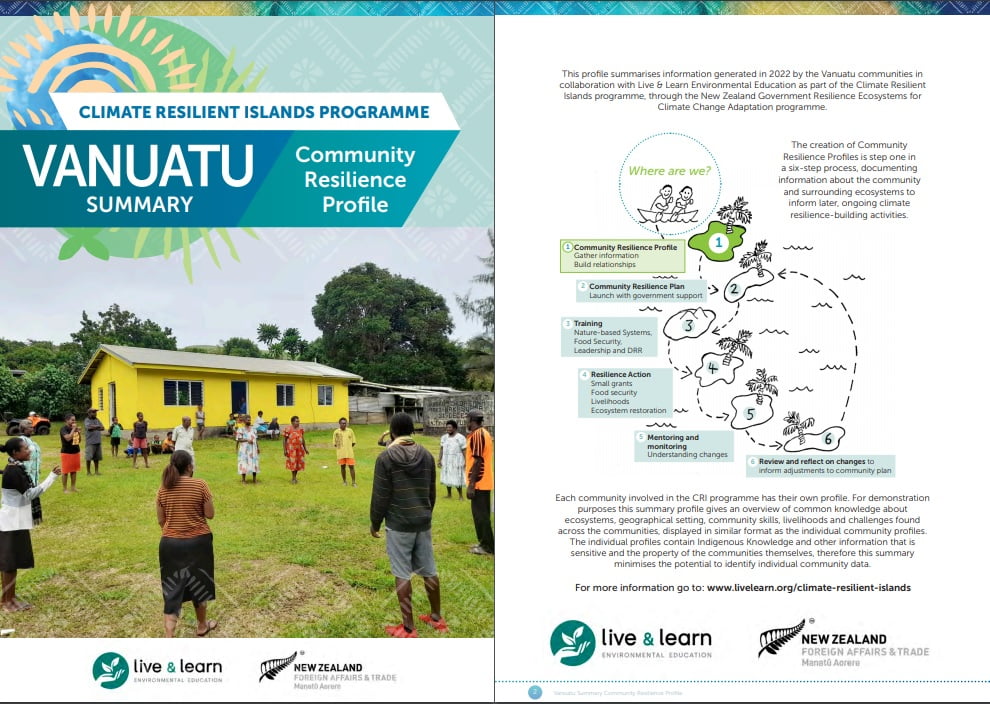
Vanuatu, a stunning archipelago in the South Pacific, is not only known for its breathtaking landscapes and beautiful beaches but also for its vibrant and unique communities. This collection of around 83 islands is home to various ethnic groups, each with its own distinct culture and traditions. To delve deeper into the heart and soul of Vanuatu, vanuatu community visit website that highlights the richness of Vanuatu’s social fabric.
The population of Vanuatu is approximately 300,000, with numerous languages and customs. The most widely spoken language is Bislama, a creole language that incorporates elements from English, French, and local languages. The official languages are English, French, and Bislama, reflecting Vanuatu’s colonial history and its place in a globalized world. However, the true essence of the community is captured in the more than 100 indigenous languages spoken across various islands, each representing a unique identity and way of life.
Community life in Vanuatu is predominantly centered around kinship and familial ties. The concept of ‘kastom’ (custom), which refers to traditional ways of life and practices, plays a fundamental role in social interactions and community organization. It emphasizes respect for one’s elders, the importance of communal work, and the sharing of resources. This strong sense of community helps to preserve the culture, ensuring that knowledge, crafts, songs, and dances are passed down through generations.
In coastal areas, fishing is a vital aspect of community livelihoods. Traditional fishing techniques, such as net fishing and spear fishing, are commonly practiced, often carried out in groups to strengthen community ties. Villagers gather to prepare the catch and partake in communal meals, reinforcing the social bonds that are so central to Vanuatu culture. Festivals often center around fishing events, where friendly competition occurs, showcasing skills and camaraderie.
Inland communities rely significantly on agriculture, cultivating crops like taro, yam, and cassava. The act of farming is not merely a means of sustenance; it is an integral part of community bonding. Villagers come together to cultivate land, share techniques, and ensure that the harvest is abundant for all. This cooperative spirit is especially evident during planting and harvesting seasons when entire communities mobilize to support one another.
Art and craft remain vital expressions of Vanuatu’s community identity. From intricate wood carvings and pottery to vibrant textiles, local artisans produce work that reflects their cultural stories and beliefs. Markets are filled with handmade goods, providing villagers not only an income source but also a way to celebrate and share their heritage. The traditional ‘moko’ tattoos, which symbolize personal and communal achievements, are also an essential aspect of Vanuatu’s artistic culture.
The community celebrates several festivals throughout the year, often tied to agricultural cycles, religious observances, or historical commemorations. Festivals such as the Naghol or land diving ceremony attract visitors from around the world. This exhilarating rite of passage involves jumping from tall wooden towers with only vines tied to one’s ankles, embodying bravery and connection to ancestral traditions. Such events foster community pride, solidarity, and cultural preservation.


Moreover, community life in Vanuatu is significantly influenced by the Chiefs, who hold a significant role in local governance. Traditional leaders are respected figures who mediate disputes, uphold customs, and represent their communities. The ‘Council of Chiefs’ functions at a national level, advising the government on matters related to custom, culture, and social well-being. This dual system of governance illustrates a blend of modern democratic practices with traditional customs, allowing Vanuatu to maintain its cultural heritage while navigating contemporary challenges.
Despite the impacts of globalization, including the influx of tourism and modern technologies, Ni-Vanuatu (the people of Vanuatu) strive to preserve their customs. Efforts are made to teach younger generations about traditional practices, including language, artwork, and agricultural techniques. Community programs often facilitate workshops in which elders share their knowledge with youth, ensuring that the cultural legacy continues. The preservation of history becomes a communal endeavor, reflecting a deep-rooted understanding of identity and belonging.
Education plays an essential role in building a sustainable future for Vanuatu’s communities. Schools are established with a focus not only on academics but also on incorporating local culture into curricula. Educators work to ensure that a sense of pride in one’s heritage is ingrained in children from a young age. This approach fosters a generation that is not only literate and trained in modern skills but also deeply connected to their roots.
As the world becomes increasingly interconnected, communities in Vanuatu remain resilient, facing challenges head-on while embracing change. The introduction of new technologies raises questions about the balance between modernization and tradition. Yet, Ni-Vanuatu people demonstrate an incredible capacity for adaptability without losing sight of their identity. Locals are harnessing technology to promote their crafts, share stories, and connect with the global community while preserving their rich culture.
The sense of community found in Vanuatu offers a deeply enriching experience. Visitors to the islands often find themselves welcomed into communities, experiencing firsthand the warmth and generosity of the Ni-Vanuatu people. As travelers participate in local customs, savor traditional dishes, or engage in communal activities, they leave with a profound appreciation of what it means to be part of this vibrant community.
In conclusion, the community in Vanuatu stands as a testament to the resilience and richness of cultural heritage. The blend of traditional customs, communal practices, and modern influences creates a uniquely vibrant social fabric. As Vanuatu continues to embrace both its past and the future, the spirit of its communities remains strong, a beacon of inspiration for those who seek to understand and appreciate the beauty of island life. Whether through arts, agriculture, or festivals, the essence of Vanuatu lives on through its people, making it a truly remarkable place to discover.